Room-by-Room Deep Cleaning Techniques
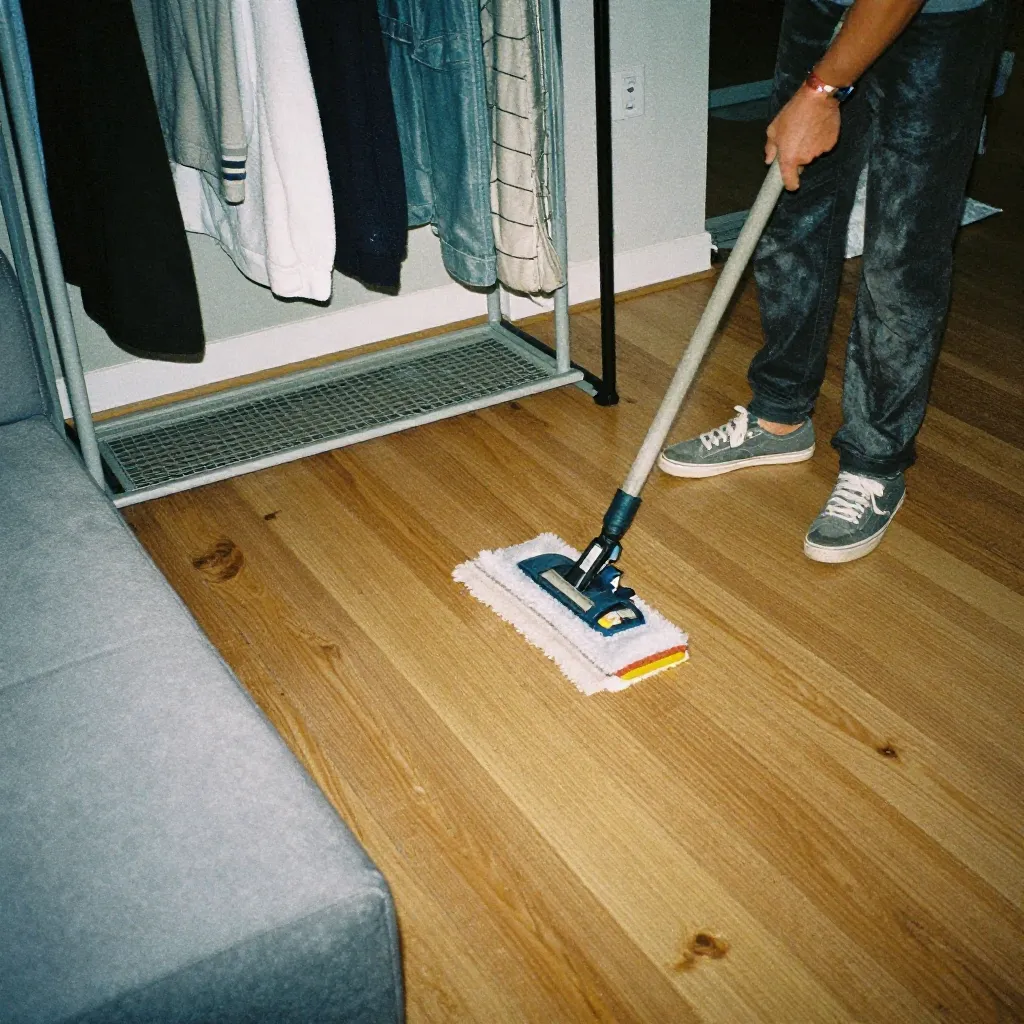
Each room in your home presents unique challenges when it comes to maintaining optimal air quality. Understanding these differences allows you to target your cleaning efforts more effectively.
Bedroom Cleaning Strategy
The bedroom requires special attention due to the extended time spent there. Focus on mattresses, upholstery, and fabrics that can harbor dust mites and allergens. Regular vacuuming with HEPA filtration is essential, along with washing bedding in hot water weekly.
Kitchen Air Quality Management
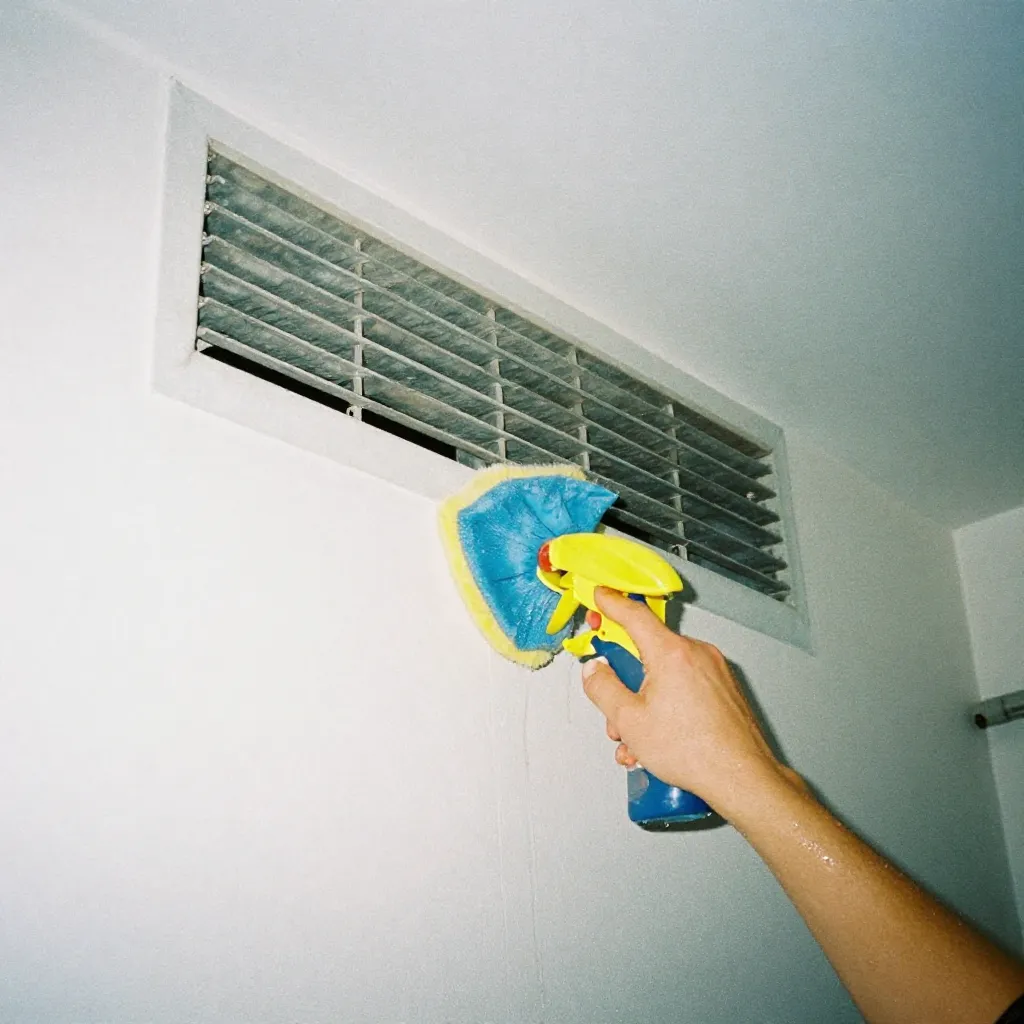
Kitchens can accumulate grease particles and food-related allergens. Clean ventilation systems regularly, wipe down surfaces with low-toxin cleaners, and ensure proper exhaust fan operation during cooking activities.
Living Area Maintenance
Common areas receive heavy foot traffic and may contain various upholstered furniture. Implement a rotation schedule for deep cleaning carpets, curtains, and soft furnishings to prevent particle buildup.
VOC Reduction Steps
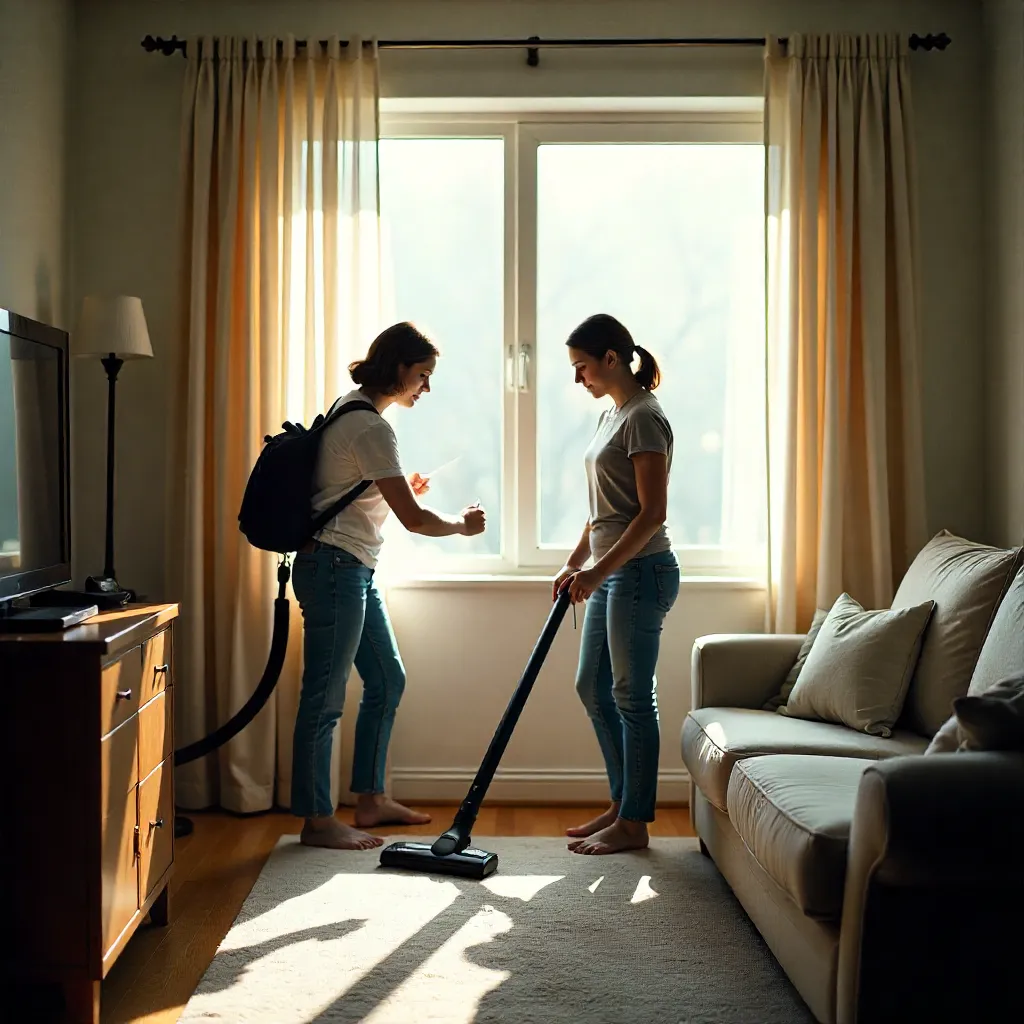
Volatile Organic Compounds (VOCs) are chemicals that can evaporate into the air from various household products and materials. Reducing VOC exposure is crucial for maintaining healthy indoor air quality.
Product Selection
Choose cleaning products labeled as low-VOC or VOC-free. Natural alternatives like vinegar, baking soda, and essential oils can be effective for many cleaning tasks.
Proper Ventilation
Always ensure adequate airflow when using any cleaning products. Open windows and use exhaust fans to help disperse any airborne chemicals quickly.
Storage Practices
Store cleaning products in well-ventilated areas away from living spaces. Properly sealed containers prevent unnecessary VOC release into your home environment.
Dust Extraction and HEPA Vacuuming Tips
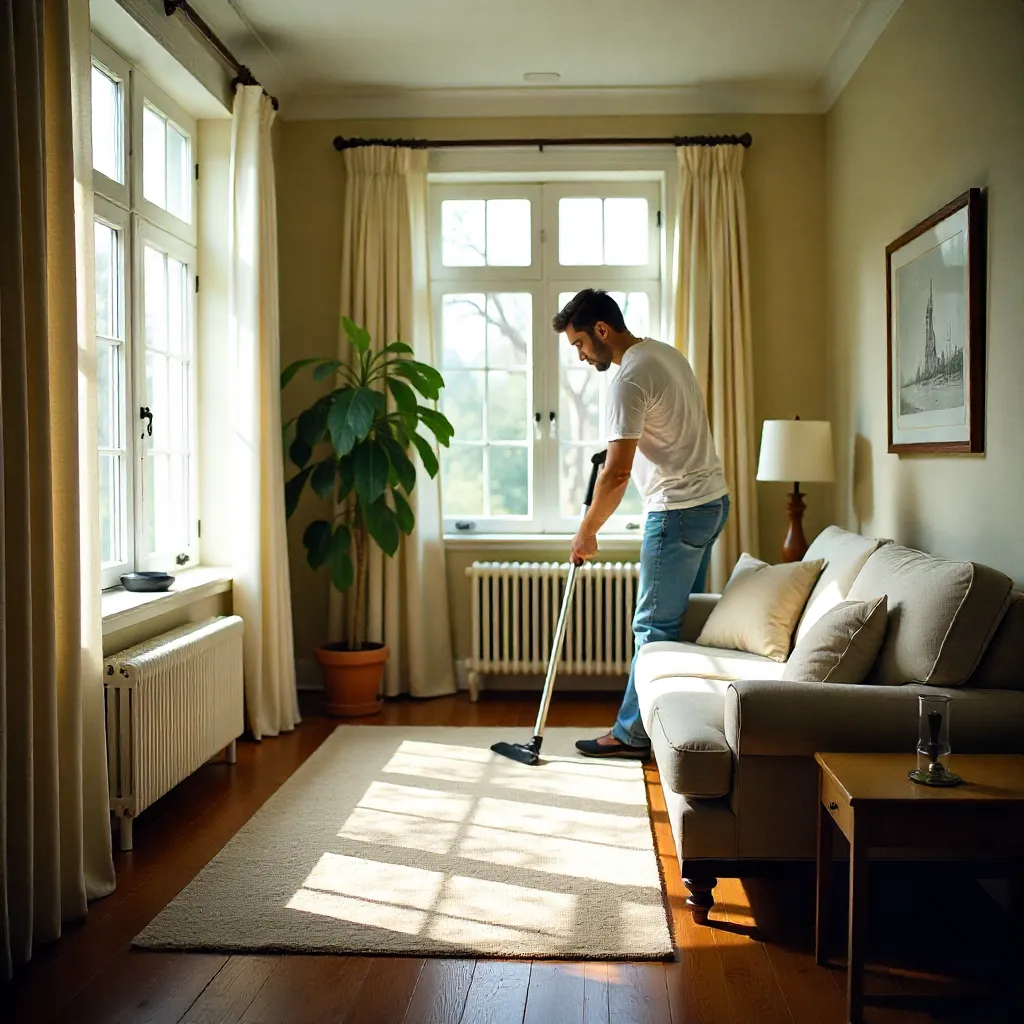
Effective dust removal requires more than surface-level cleaning. HEPA filtration systems capture particles as small as 0.3 microns, preventing them from being recirculated into your air.
Proper Vacuuming Technique
- Use slow, overlapping passes to maximize particle capture efficiency
- Empty vacuum bags or canisters outside to prevent particle re-entry
- Replace HEPA filters according to manufacturer recommendations
- Vacuum from top to bottom, starting with ceiling fans and working downward
Regular Cleaning vs Deep Cleaning
Understanding the difference between regular maintenance and deep cleaning helps you prioritize efforts for maximum air quality improvement.
| Aspect | Regular Cleaning | Deep Cleaning |
|---|---|---|
| Frequency | Weekly or bi-weekly | Monthly or quarterly |
| Focus Area | Visible surfaces and floors | Hidden areas, upholstery, vents |
| Particle Removal | Surface dust and debris | Deep-seated particles and allergens |
| Tools Used | Standard vacuum, basic cleaners | HEPA vacuum, steam cleaners, specialized tools |
| Time Investment | 1-2 hours per session | 4-6 hours per session |
| Air Quality Impact | Maintains baseline | Significantly improves |
Getting Started with Deep Cleaning
Begin implementing these strategies gradually, focusing on one area at a time. Consistency is more important than intensity—regular deep cleaning sessions yield better results than occasional intensive efforts.
For personalized cleaning schedules and room-specific recommendations, explore our routine plans or check out our recommended tools for optimal results.