Understanding Indoor Air Quality
Indoor air quality plays a crucial role in your overall health and wellbeing. Many homes accumulate invisible particles, allergens, and pollutants that can affect respiratory health over time.
Deep cleaning goes beyond surface-level maintenance to address hidden contaminants that regular cleaning may miss. By implementing comprehensive cleaning strategies, you can significantly reduce airborne particles and create a fresher living environment.
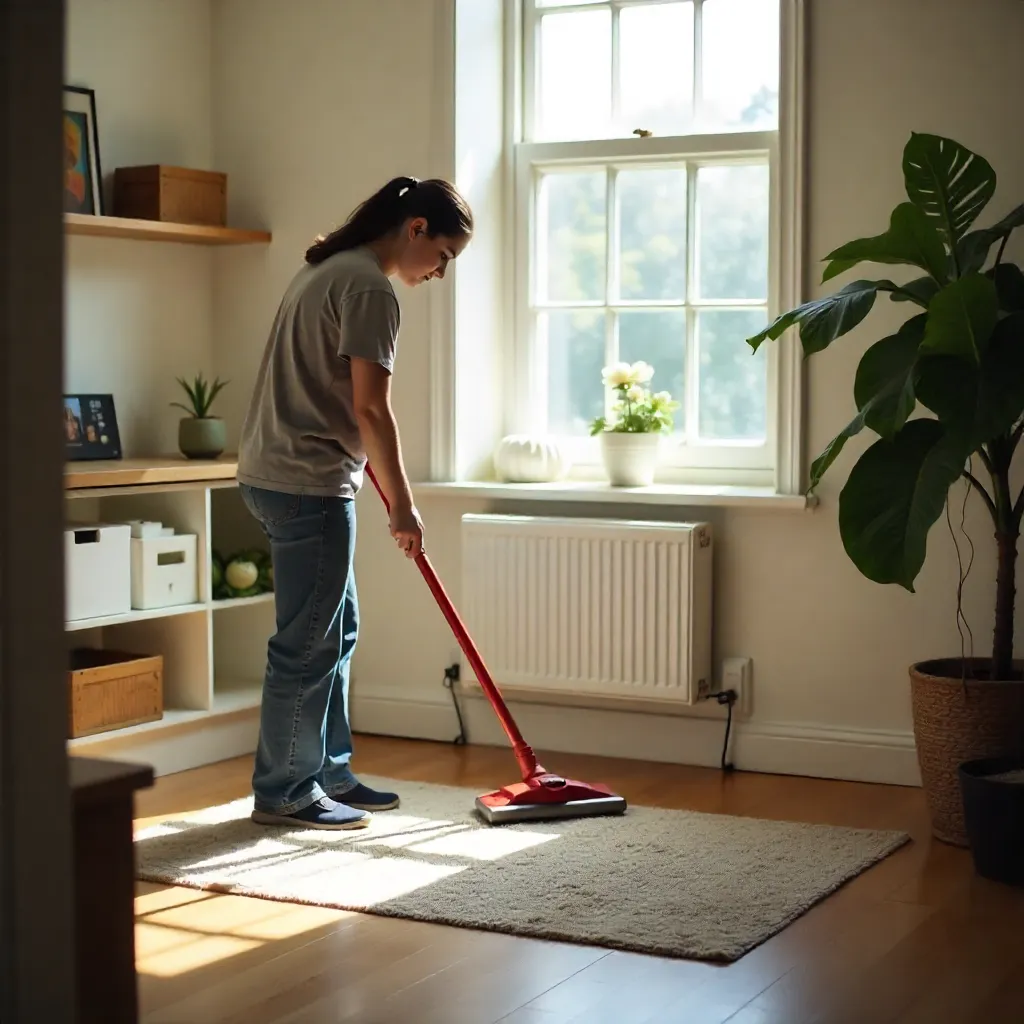
Common indoor pollutants include dust mites, pet dander, mold spores, and volatile organic compounds (VOCs) from household products. These particles can settle in carpets, upholstery, and ventilation systems, gradually degrading air quality.
Essential Deep Cleaning Strategies
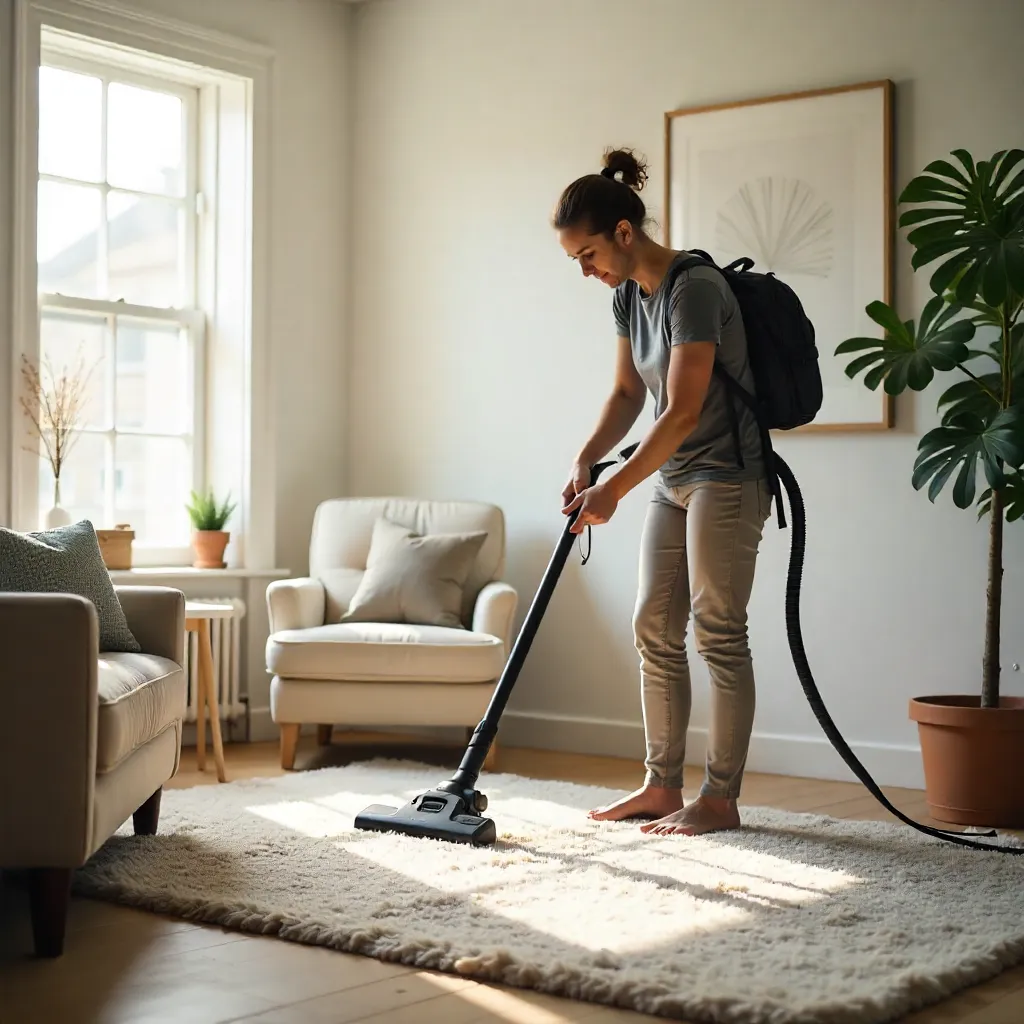
Room-by-Room Approach
Systematic cleaning techniques tailored to each room's specific needs, targeting areas where pollutants accumulate most.
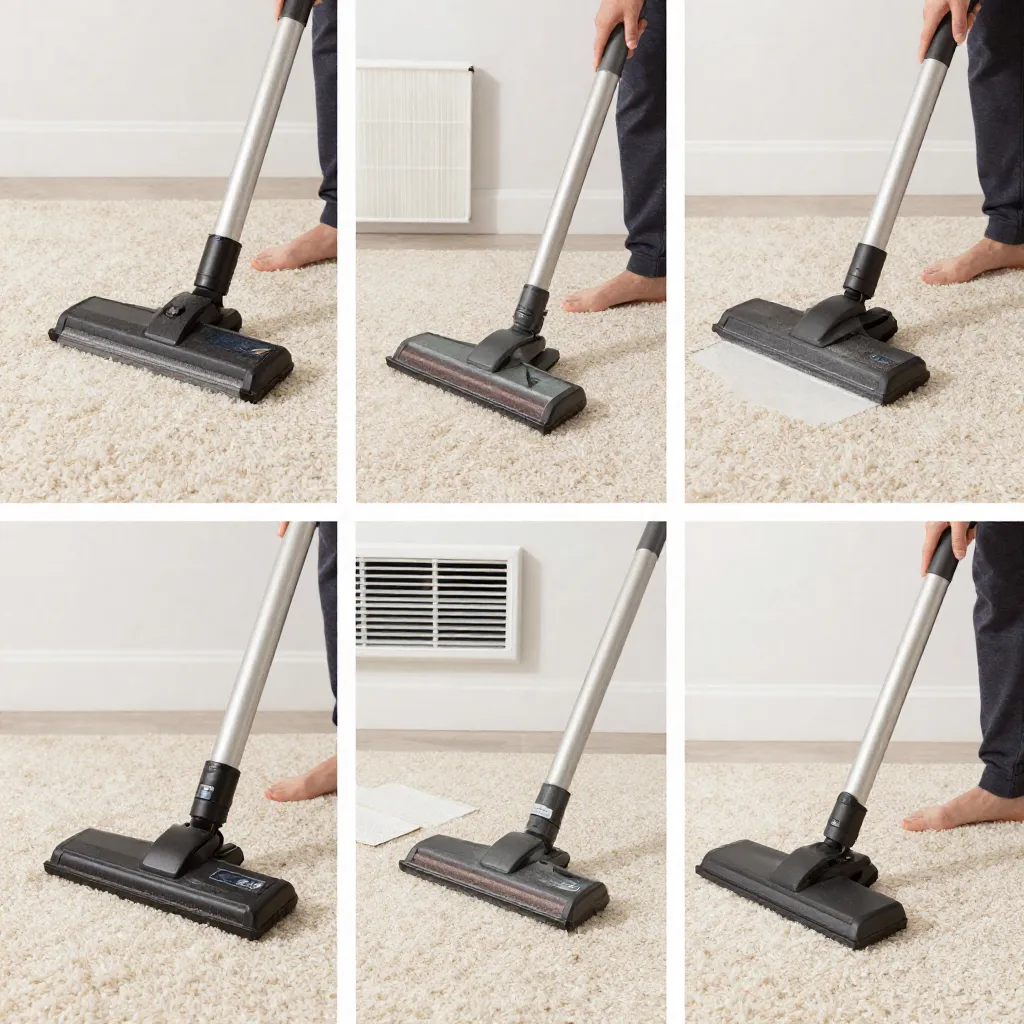
VOC Reduction
Methods to minimize volatile organic compounds through proper ventilation and low-toxin cleaning product selection.
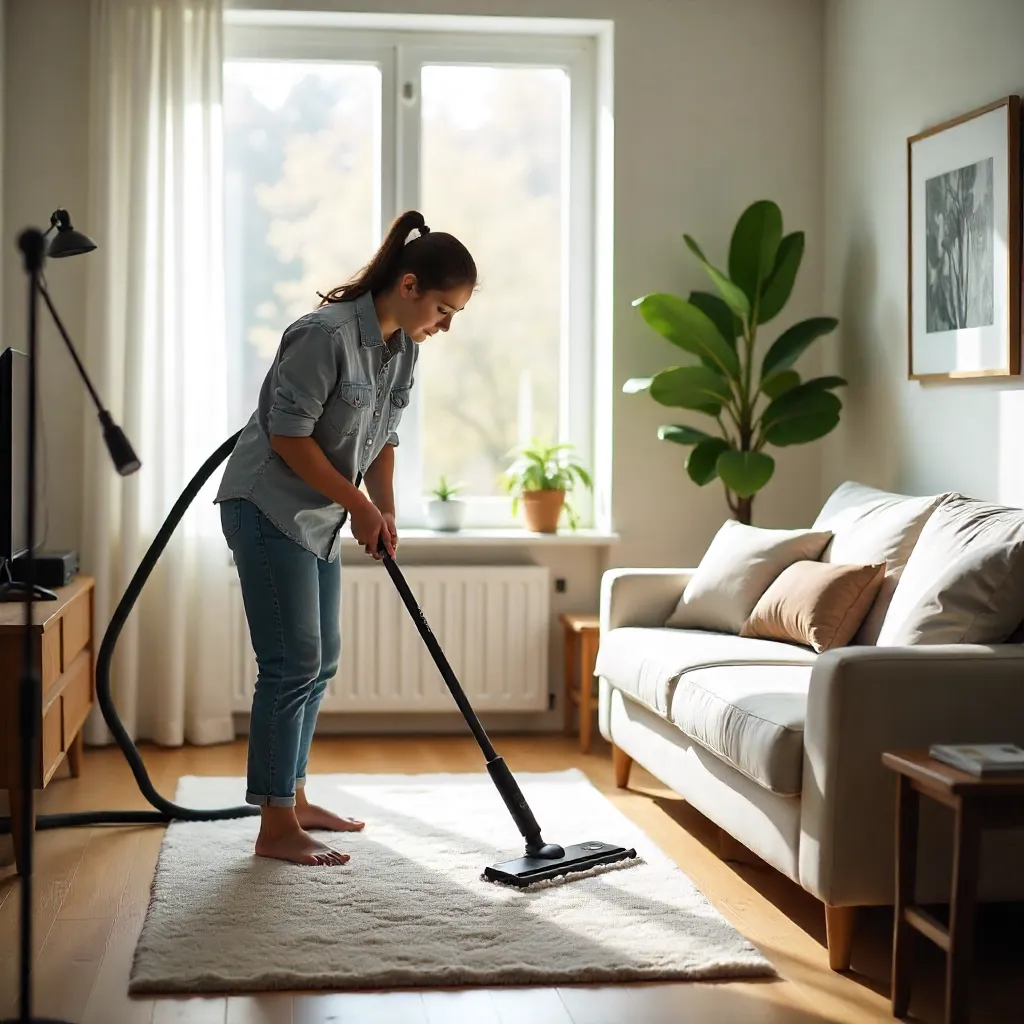
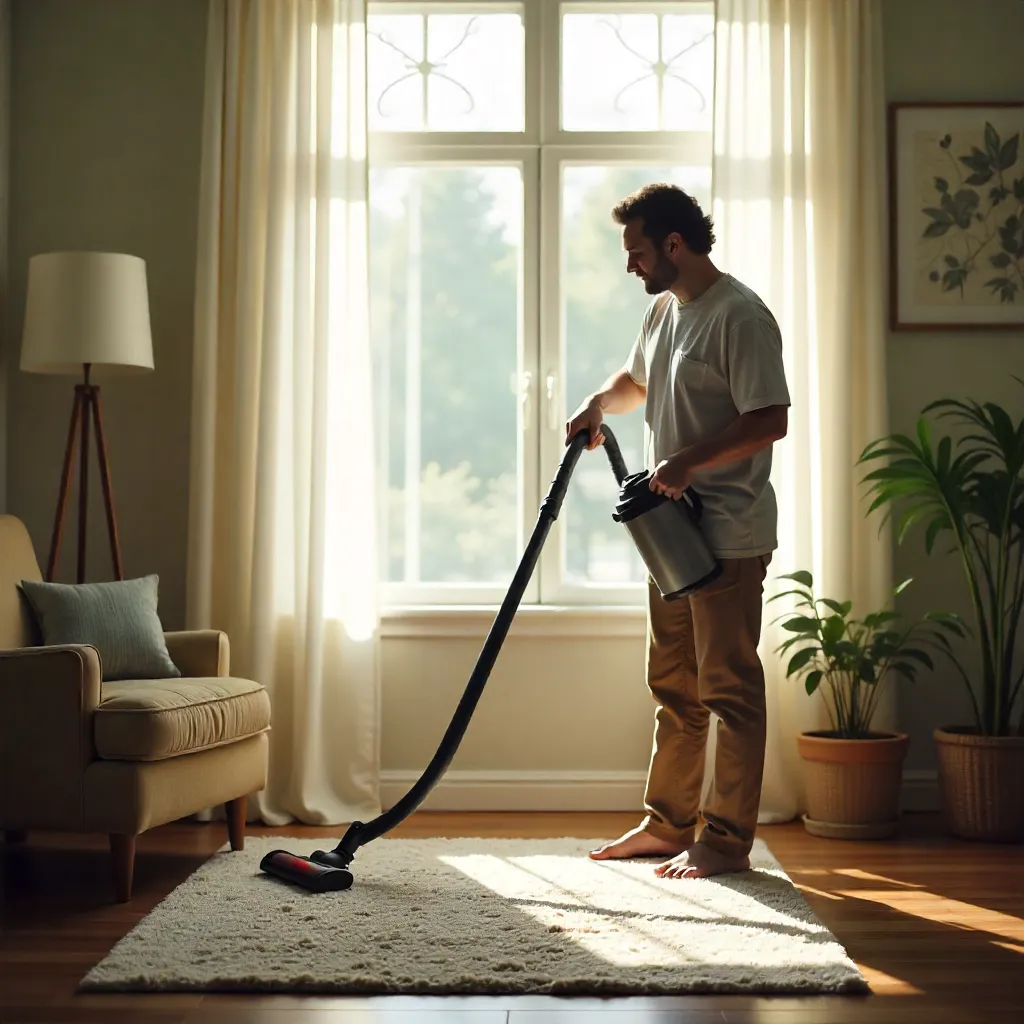
HEPA Vacuuming
Advanced filtration systems that capture microscopic particles, preventing them from recirculating in your air.
Benefits of Regular Deep Cleaning
Implementing a consistent deep cleaning routine offers numerous advantages beyond improved air quality:
- Reduced allergy symptoms and respiratory irritation
- Enhanced overall comfort and freshness
- Extended lifespan of furnishings and carpets
- Peace of mind knowing your environment is clean
Getting Started
Begin your journey to better indoor air quality by exploring our comprehensive guides and resources. Whether you're looking for specific cleaning methods, tool recommendations, or personalized routine plans, we have everything you need.